

WHAT REMAINS OF OUR MEMORIES
Memories consist partly of oblivion and forgetfulness. Since it is important to differentiate between memories and recollections, memories have emotional and sentimental implications.
We remember a taste, a game, a childhood event, a love, a person from the past who is no longer with us in the present, but who immediately triggers our emotional side, which we have experienced in a tangible, strong, and concrete way.
The experience of memory is a very important part of our lives, whether the memories are good or bad. It is not a fantasy or a dream, but it has the property of being distant in time, so it does not have the clear contours of our present, but has a haze and a nuance that only memories with their temporal distance can offer us.
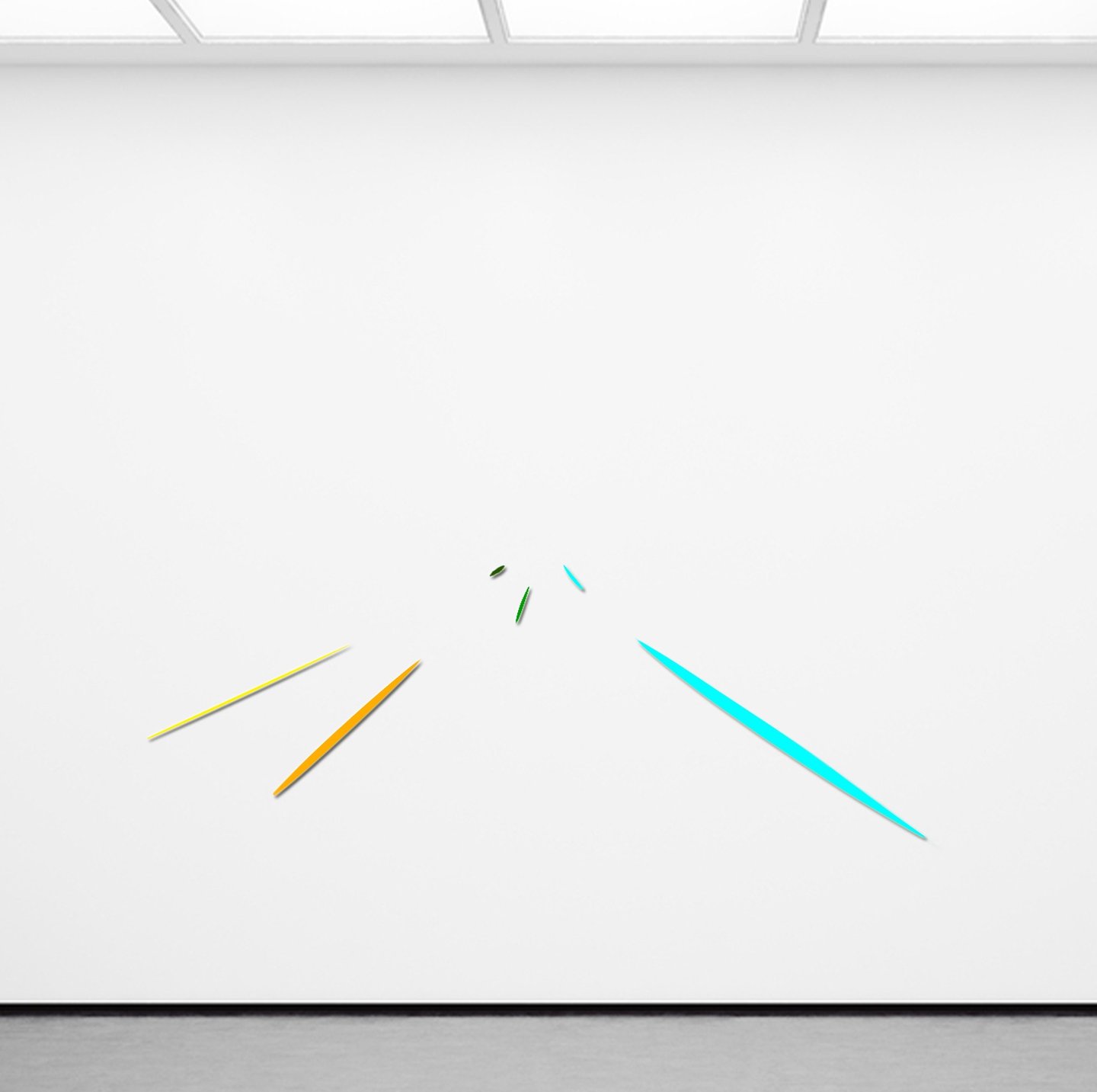
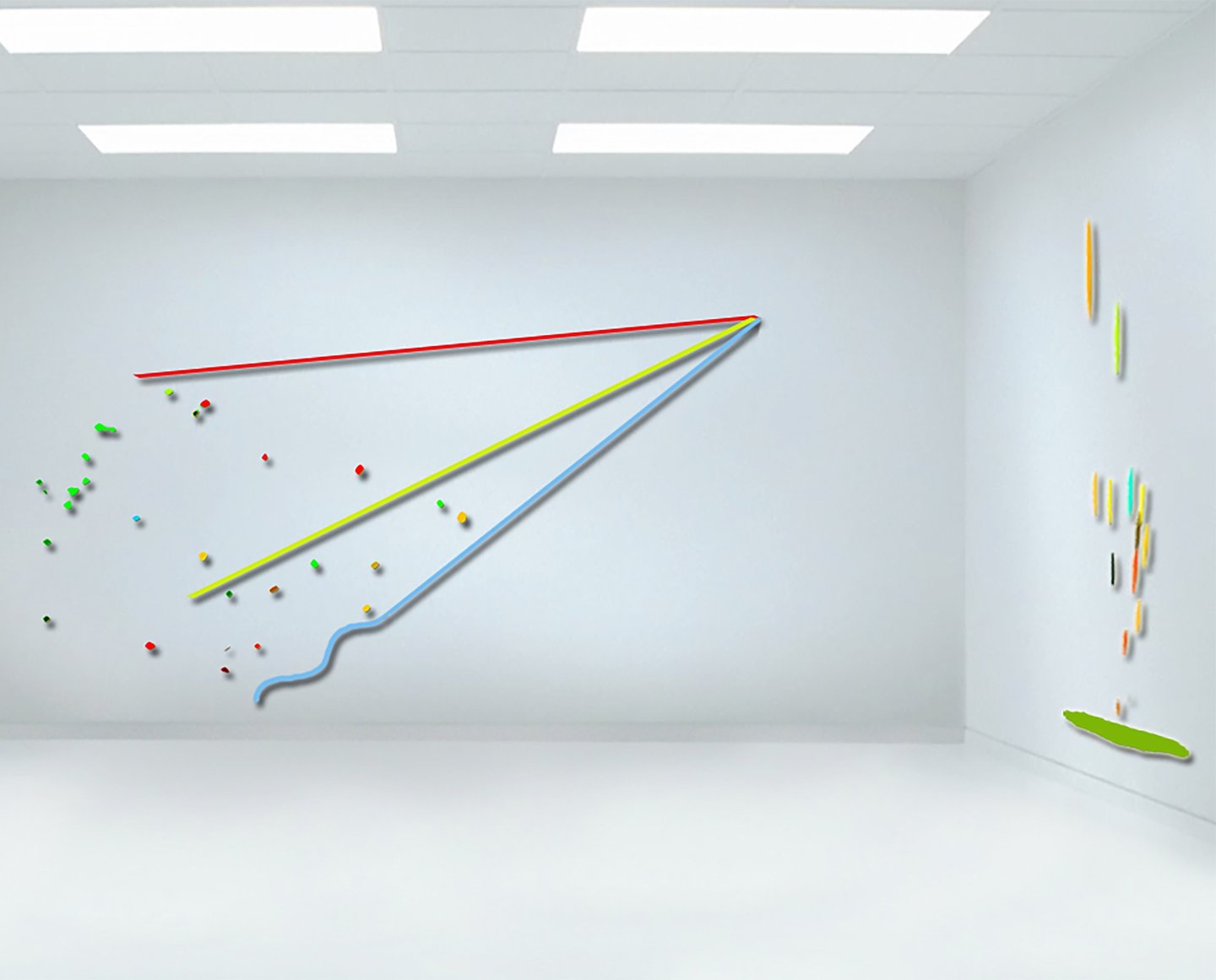
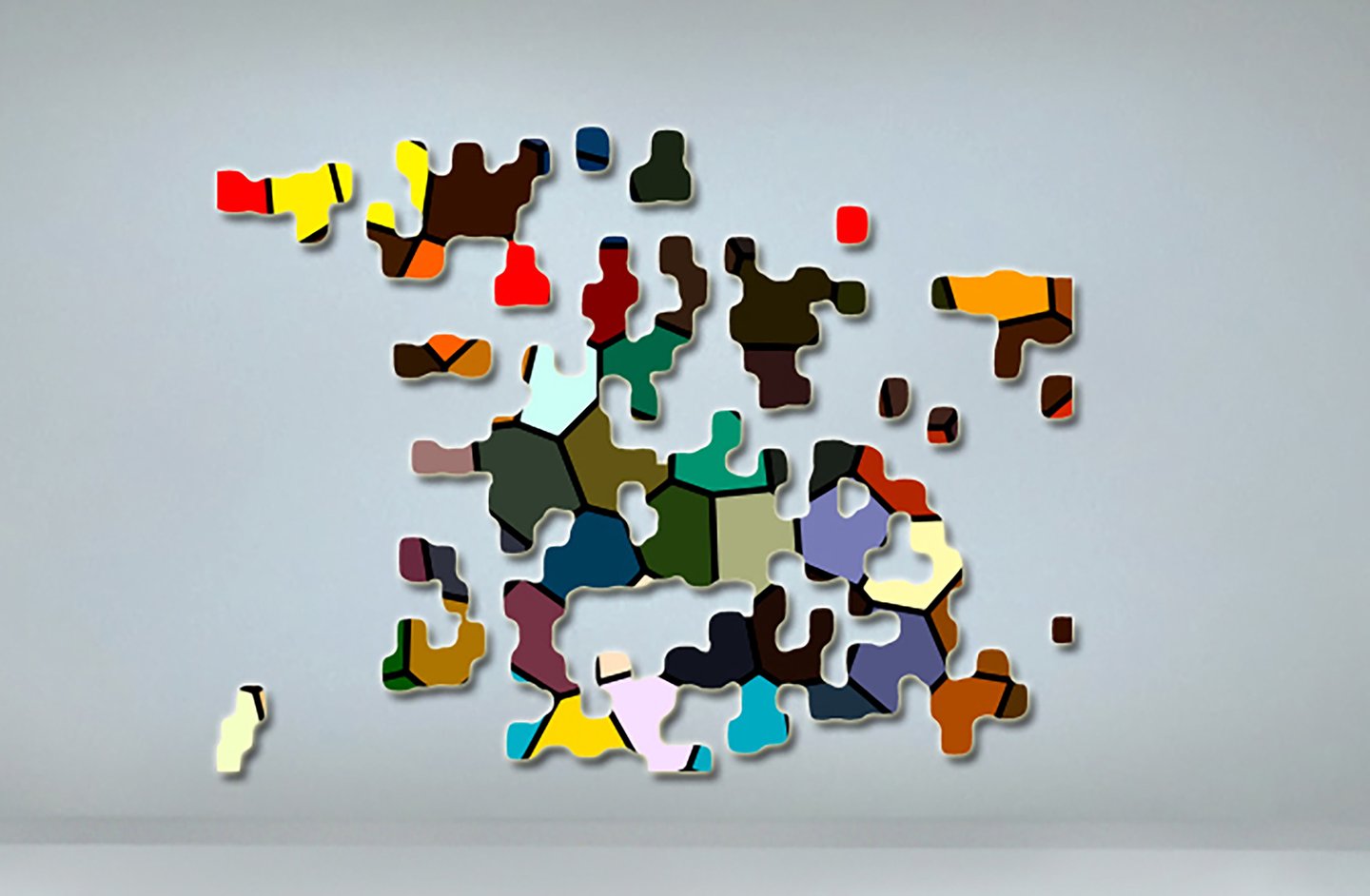
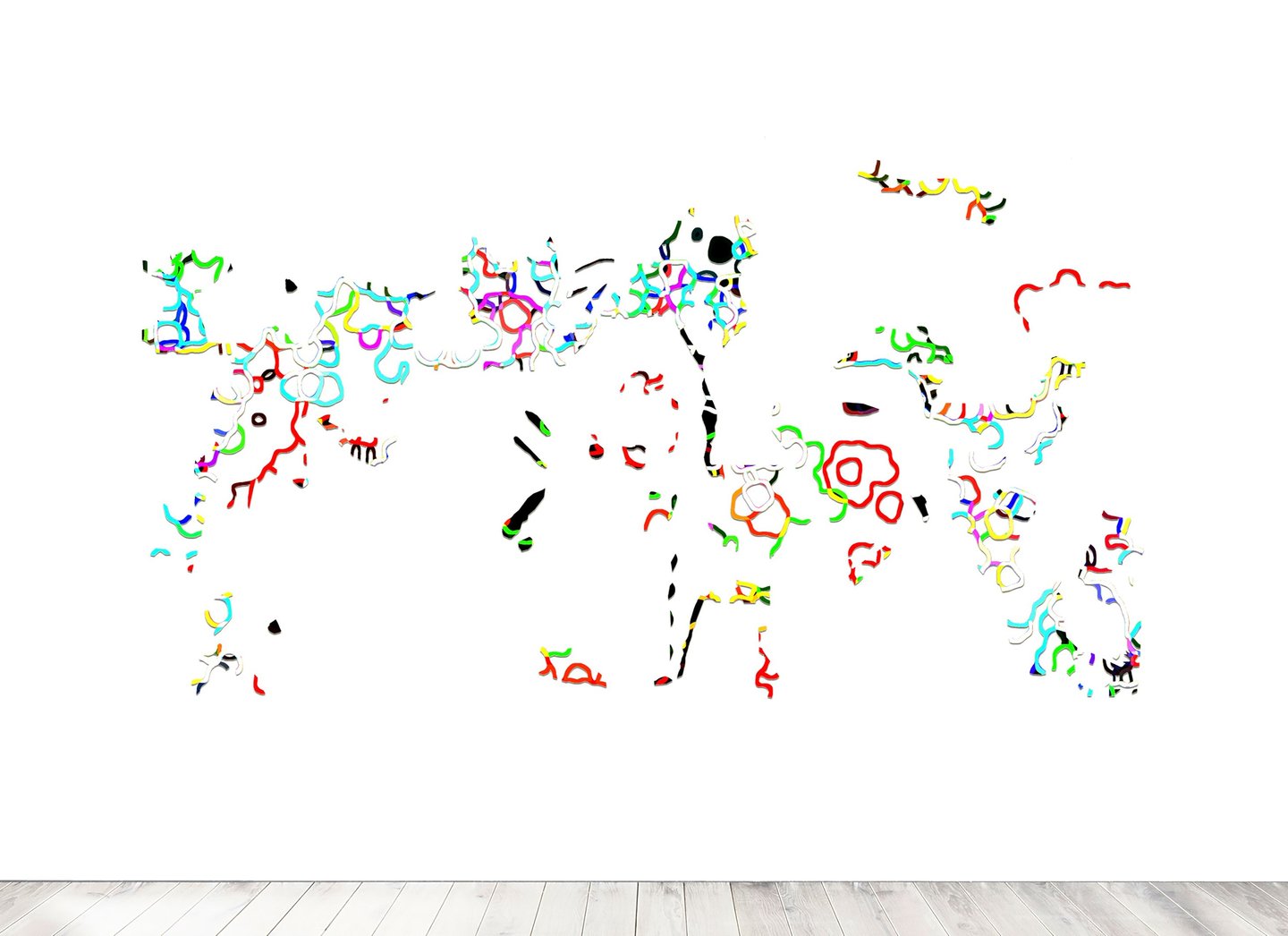
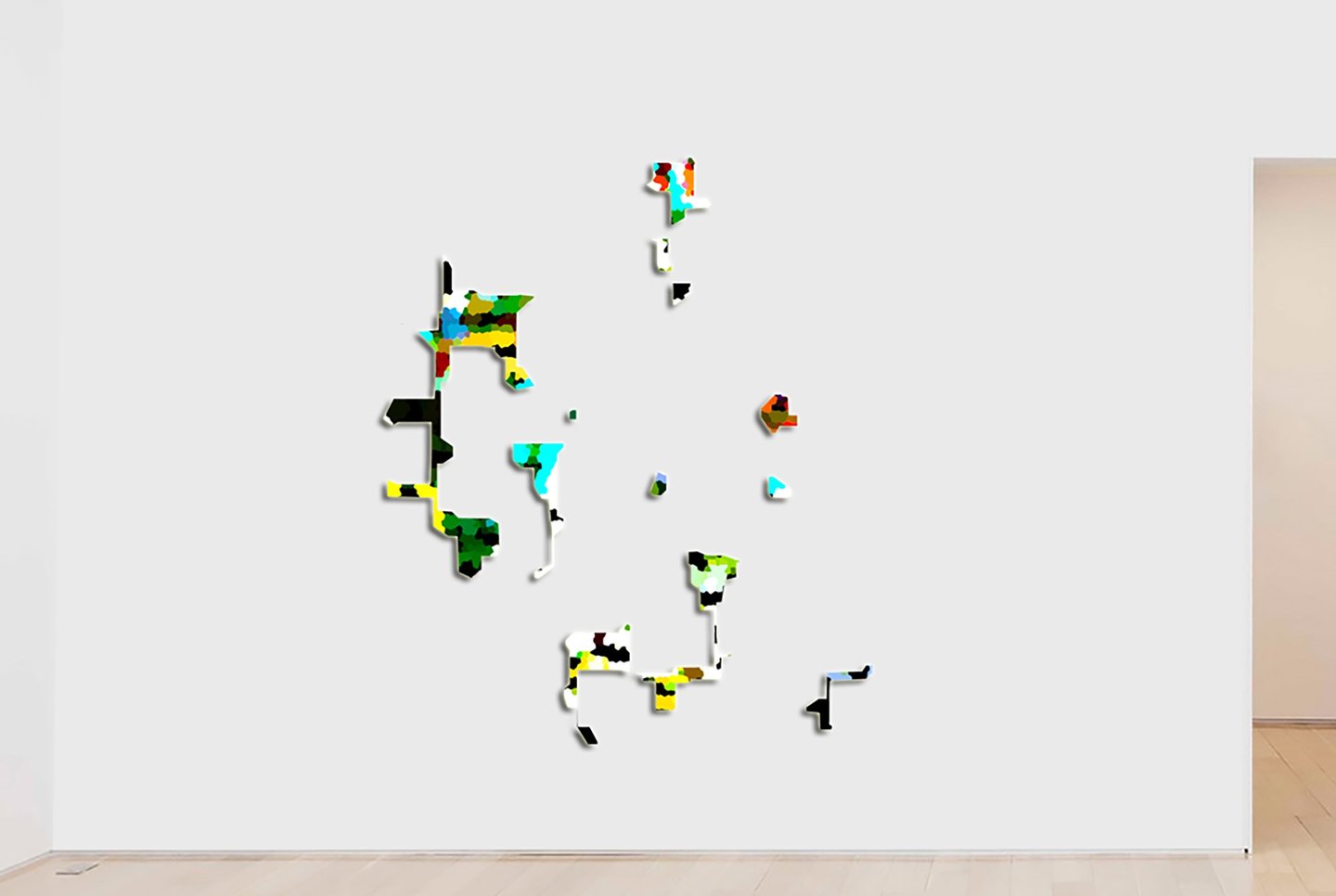
In my artistic dimension, I experience my memories as essentially abstract emotional flashes, and when I try to understand what remains of these memories, I perceive only colors and scents.
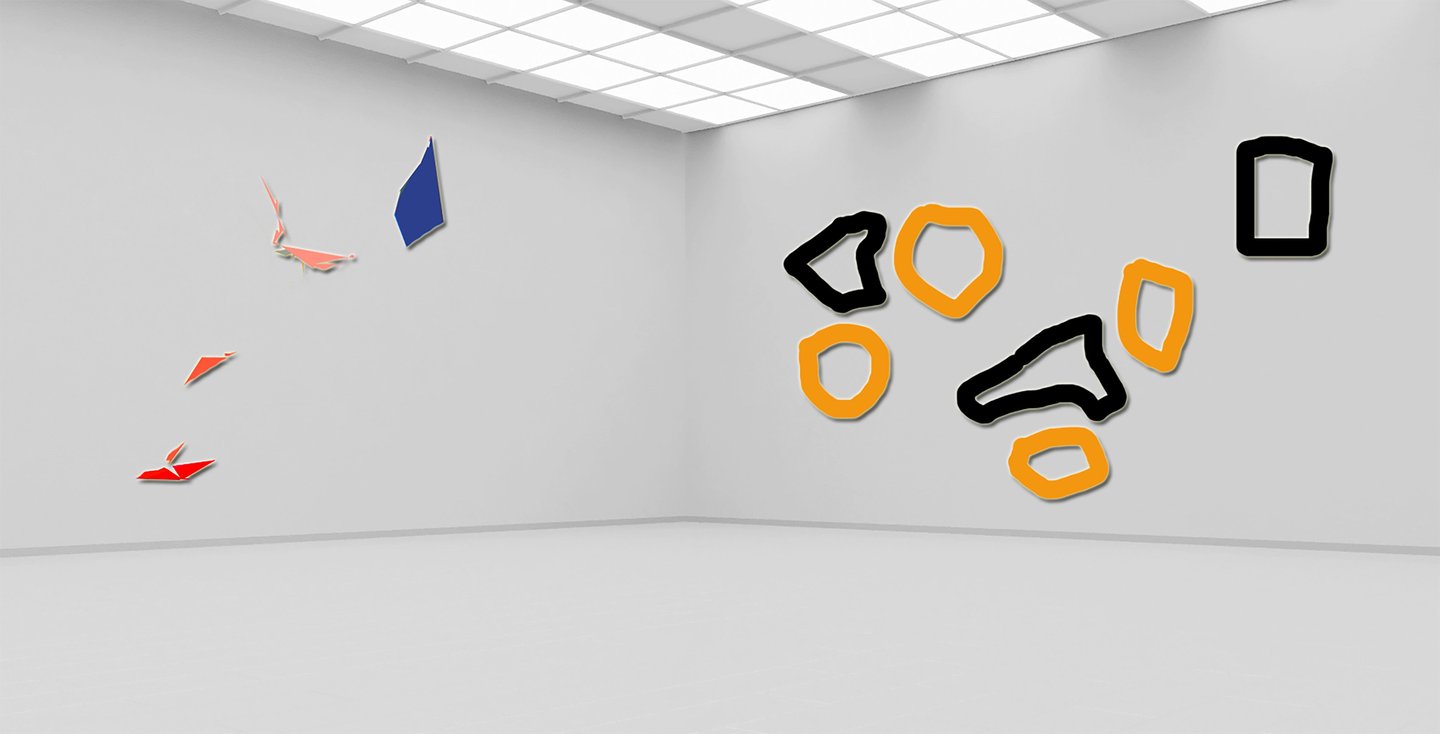
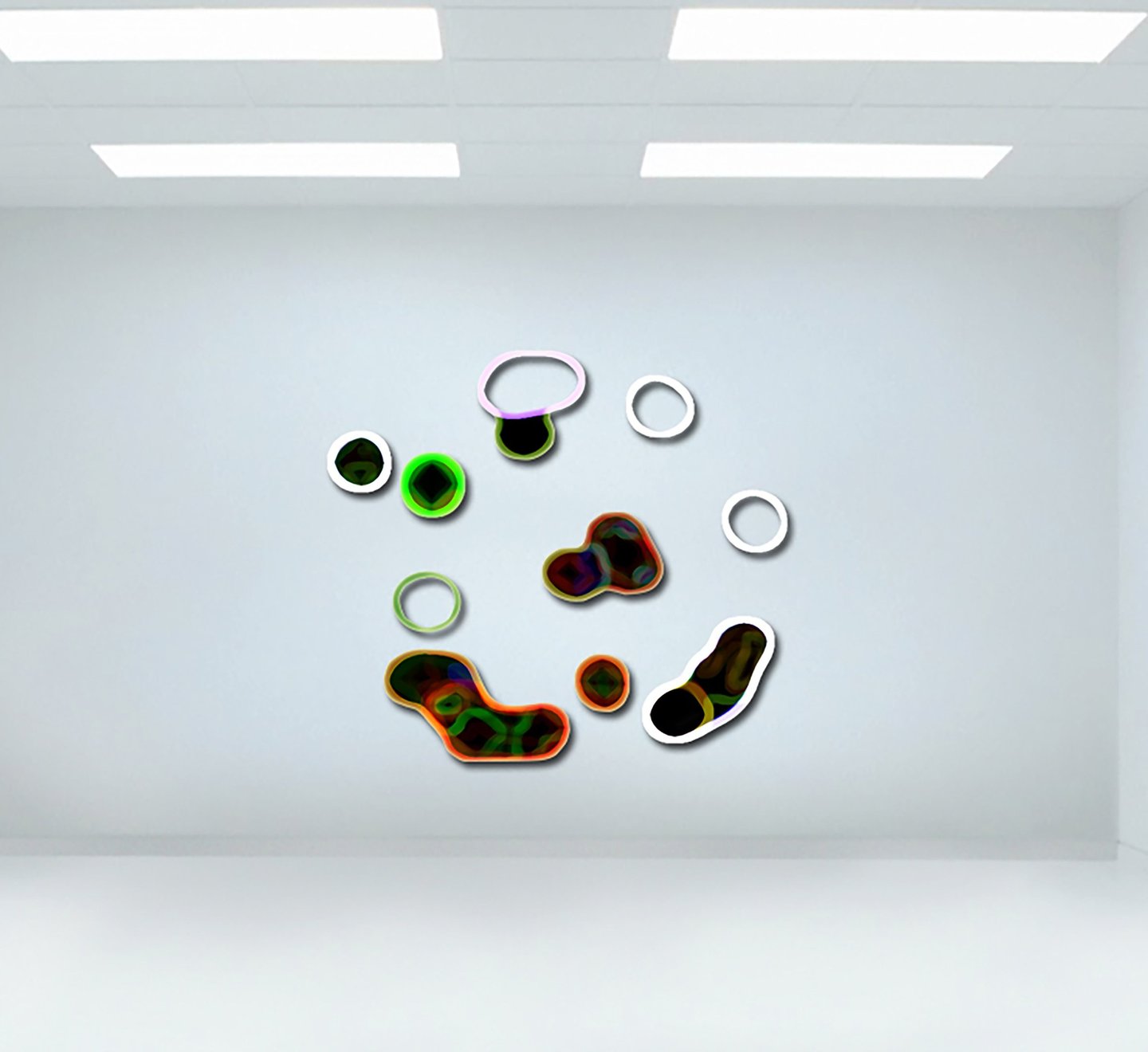
"Me in Stratford 2006"
" Weddings & funerals memories"
Medium: Painted aluminium on the wall
Size : 400x300 cm
Medium : Painted aluminium on the wall
Size : 150x300 cm
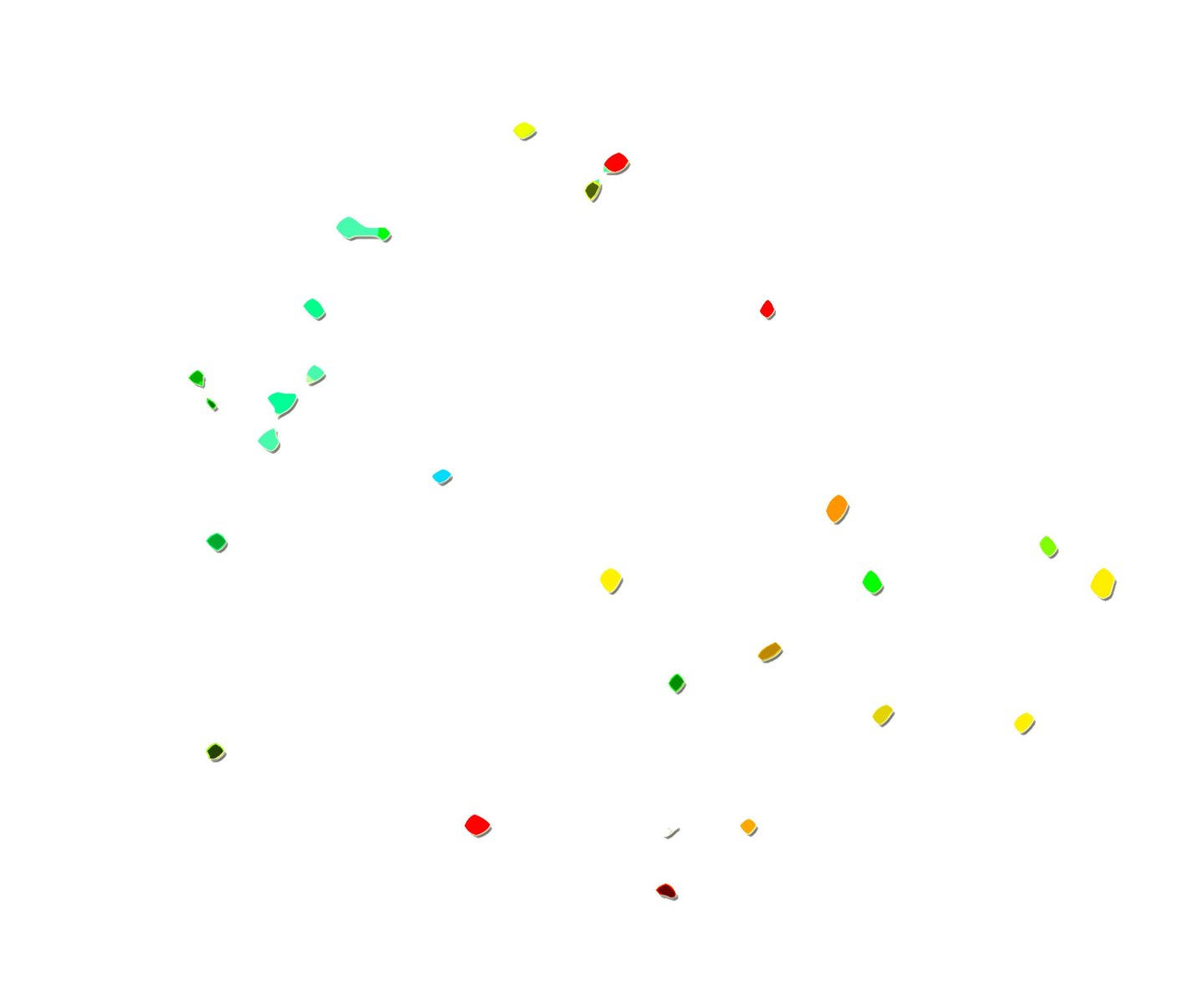
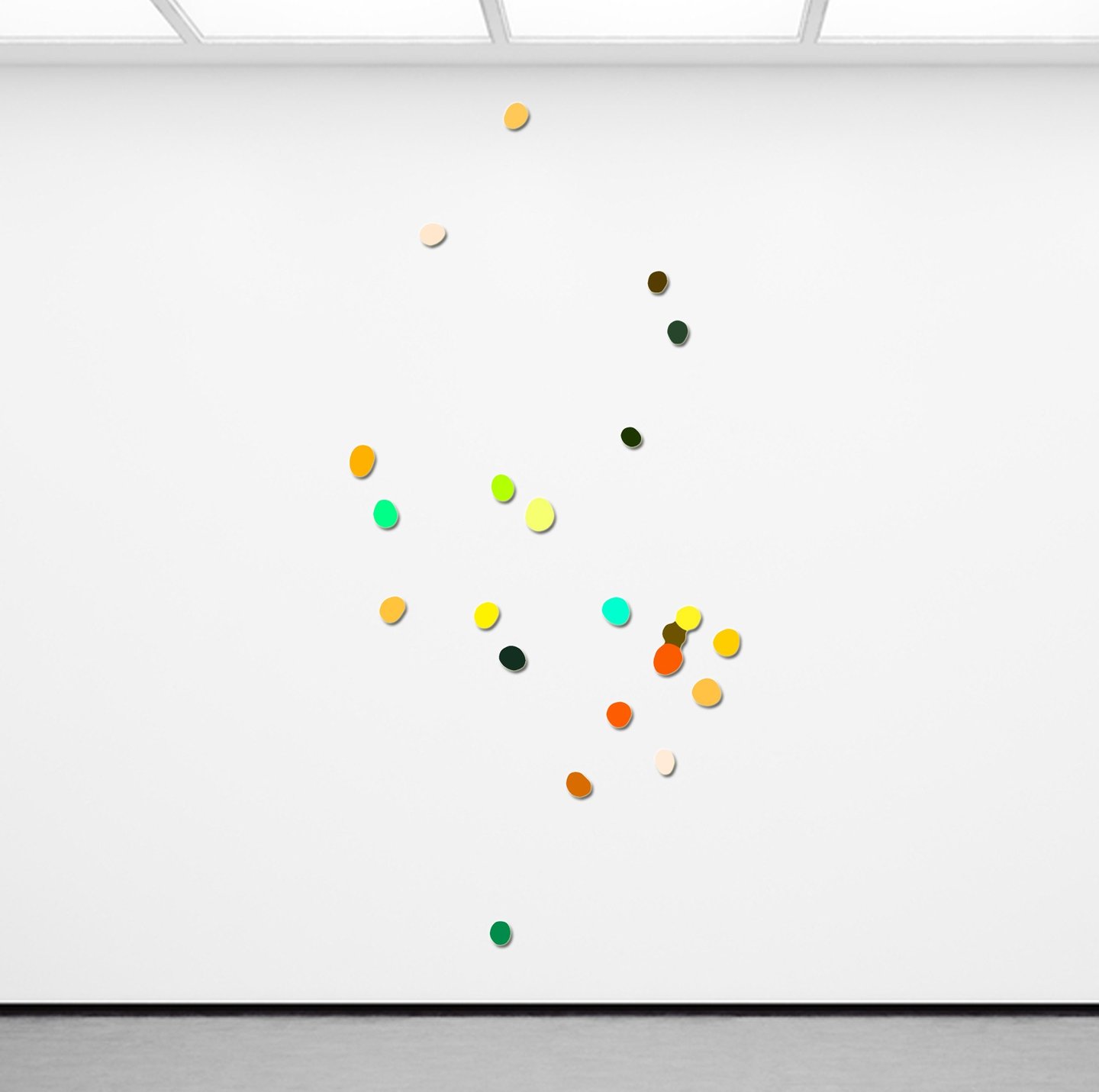
"Childhood spring "
"Ricordi di primavere"
Medium: Painted aluminium on the wall
Size : 200x250 cm
Medium : Painted aluminium on the wall
Size : 150x300 cm
"Tokyo...so much fun "
"Italy...long time ago"
Medium: Painted aluminium on the wall
Size : 200x250 cm
Medium : Painted aluminium on the wall
Size : 150x300 cm
"Dad"
"Too many insignificant days in my memories"
Medium: Digital print on Aluminium-dibond
Size : 100x77 cm
Medium : Painted aluminium on the wall
Size : 150x300 cm
Limited Edition 1/7
"Via Crucis"
"Rom....two chaotic nights...long time ago"
Medium: Painted alunminium on the wall"
Size : 400x280 cm
Medium : Painted aluminium on the wall
Size : 150x250 cm
About the work
Furio Torracchi’s What Remains of Our Memories is a quietly powerful meditation on the ephemeral nature of recollection and the emotional resonances that define our internal lives. Presented as a series of mixed-media wall installations, this work deliberately moves beyond straightforward representation to probe the liminal space between memory and momentary sensation. Here, memory is not a static archive but a living psychological landscape, shaped as much by loss and absence as by vivid recall.
The conceptual premise of the series — that remembering involves both oblivion and affection, that what “remains” is often haze, nuance, colour, and scent rather than precise detail — reveals a poetic sensitivity. Torracchi’s text foregrounds this ambiguity: memories are not fantasies nor literal recountings, but emotional imprints that resist fixed form. In this sense, the work aligns with broader contemporary inquiries into the phenomenology of memory, where personal experience becomes a site of visual abstraction and affective resonance.
Visually, the works accompanying the text — including pieces like Reduce to Colours XI, Childhood Springs, and Dad — articulate this conceptual frame through loosely abstracted forms and evocative chromatic choices. These works do not illustrate specific events but rather transpose internal states into painterly and gestural compositions that invite introspection. The series suggests that memory, in its purest sense, is less about narrative clarity and more about emotional imprint and perceptual suggestion.
The inclusion of personal iconography — images suggestive of childhood, travel, family, and place — grounds the overarching conceptual exploration in lived experience. However, Torracchi refrains from literal storytelling; instead, he employs ambiguity as a tool. This allows viewers to activate their own mnemonic associations, becoming co-creators in the meaning of the work.
In What Remains of Our Memories, Torracchi invites an intimate dialogue between image and psyche, highlighting how memory is shaped by affect — and how art can make tangible the invisible architecture of past experience. The series stands as a thoughtful contribution to contemporary visual culture that contemplates how we remember, what we forget, and how both shape our present perceptual world.